
Gambling motifs in classic literature and their cinematic portrayals
The Allure of Risk in Literature
Gambling has long been a compelling theme in classic literature, symbolizing not just chance, but also the complexities of human nature. From the high-stakes games in Dostoevsky’s “The Gambler” to the moral dilemmas faced by characters in “Moby Dick,” literature uses gambling to explore deeper existential questions. These narratives often delve into the psychological aspects of addiction, portraying characters who are drawn into the thrill of uncertainty, only to face devastating consequences. Many modern players might explore these themes themselves when visiting online casinos, such as https://highflyercasino-ca.com/.
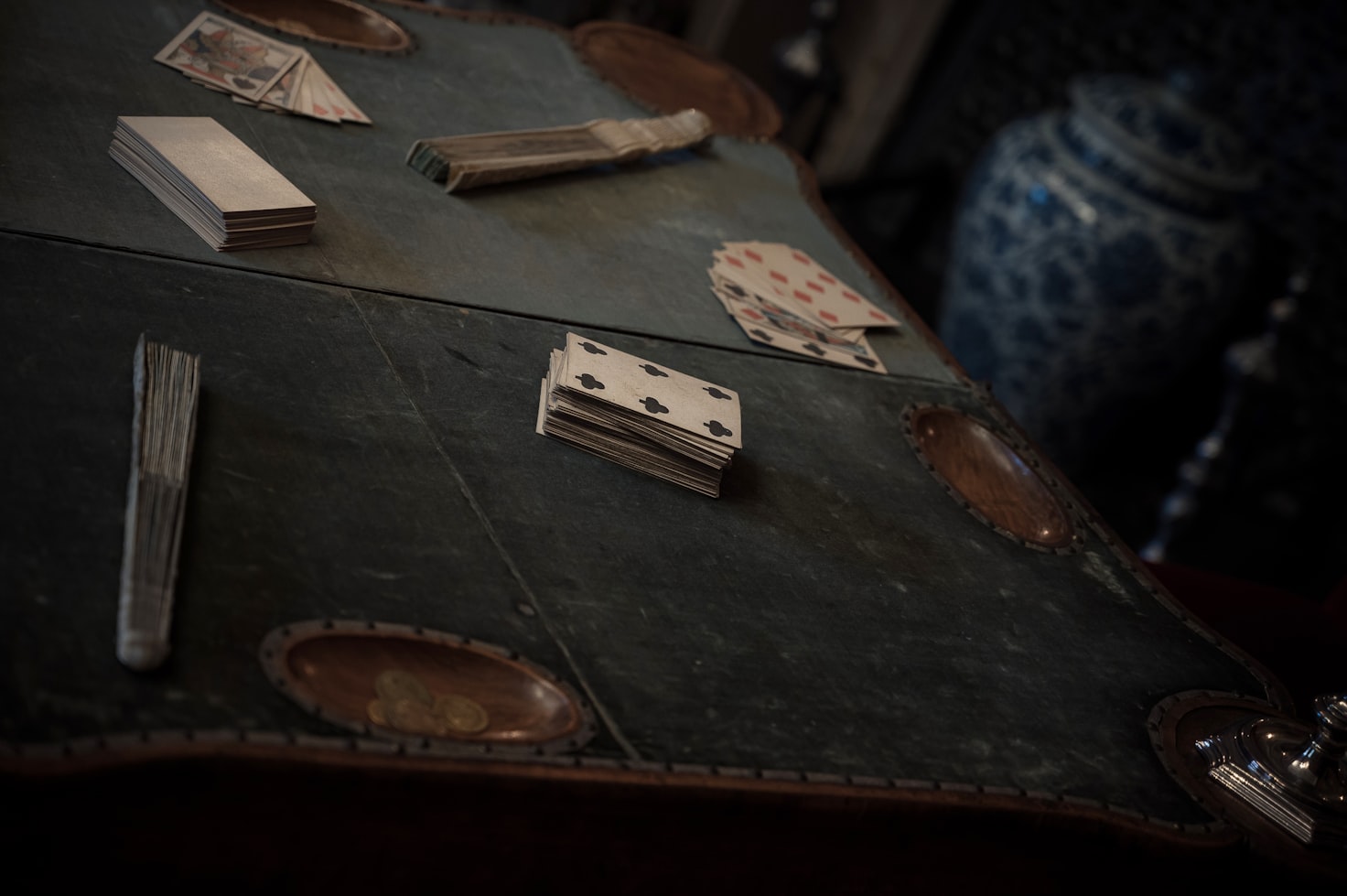
The thrill of betting and its accompanying risks serve as a microcosm for life’s unpredictability. In many cases, authors utilize gambling as a plot device to reveal character flaws and motivations. For instance, in “The Picture of Dorian Gray,” Oscar Wilde employs gambling as a metaphor for the moral decay that accompanies hedonism, showcasing the perils of indulgence and recklessness.
Cinematic Representations of Betting
Film adaptations of classic literature frequently underscore the gambling motifs that enrich the original texts. Directors often emphasize the dramatic tension associated with high-stakes betting, using visual and auditory cues to heighten the experience. In movies like “Rounders,” based on the culture of poker, the filmmakers capture the essence of risk and reward, illustrating how gambling can dictate the trajectories of lives.
Cinematic portrayals of gambling also allow for a more visceral experience of the stakes involved. The tension in films like “Casino Royale” becomes palpable through cinematic techniques such as close-ups and suspenseful soundtracks, amplifying the viewer’s connection to the characters’ emotional states. This heightened realism serves to both entertain and provoke thought about the darker side of gambling, including addiction and moral ambiguity.
The Intersection of Addiction and Human Experience
The theme of gambling addiction is prevalent in both literature and film, serving as a cautionary tale for audiences. Characters who become ensnared by their compulsions often reflect real societal issues, prompting discussions about the psychological and social ramifications of such behaviors. In “The Gambler,” the protagonist’s compulsive betting leads to a cascade of ruin, a narrative arc that resonates with many contemporary stories of addiction.
Similarly, in films such as “21,” based on the true story of MIT students who take Vegas by storm, the allure of gambling is juxtaposed with the inevitable pitfalls. The characters’ journeys highlight the fine line between thrill-seeking and self-destruction, revealing how easily one can slip into addiction. Both mediums invite reflection on the nature of desire, choice, and the consequences of human folly.
Symbolism and Themes in Classic Narratives
Gambling often serves as a rich symbol in classic narratives, representing themes of fate, fortune, and moral dilemmas. Authors like Chekhov and Shakespeare have woven gambling into their stories to critique societal norms and human behavior. In Shakespeare’s “Othello,” for instance, the act of wagering becomes a metaphor for trust and betrayal, encapsulating the play’s tragic elements.
The symbolism of gambling extends beyond mere chance; it reflects the human condition’s inherent uncertainties. The unpredictability of life mirrors the highs and lows of gambling, capturing the emotional rollercoaster that characters undergo. This thematic exploration enriches the narrative, encouraging readers and viewers to ponder their own relationships with risk and reward.
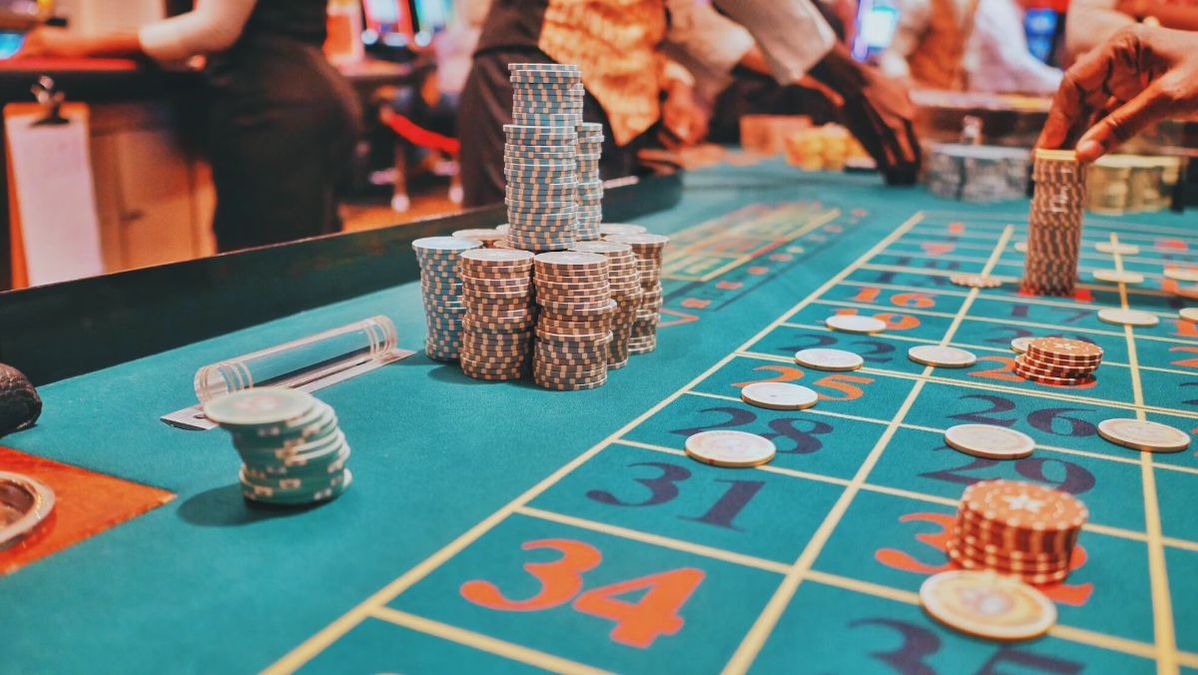
Exploring Modern Gaming Platforms
With the rise of online gaming, modern narratives continue to explore the allure of gambling. Platforms like High Flyer Casino offer new dimensions to the age-old themes of risk and reward seen in literature and film. As players engage with these platforms, they find themselves partaking in a modern-day narrative that echoes the struggles and triumphs depicted in classic tales.
The intersection of technology and gaming brings forth new ethical considerations, such as the importance of gambling addiction awareness. Just as literature and film have historically illuminated the darker sides of gambling, contemporary platforms must also prioritize responsible gaming to protect players from the potential pitfalls of addiction.
